How to Use AI Tools to Find Hidden Candidates (2026 Guide)
How to Use AI Tools to Find Hidden Candidates (2026 Guide)
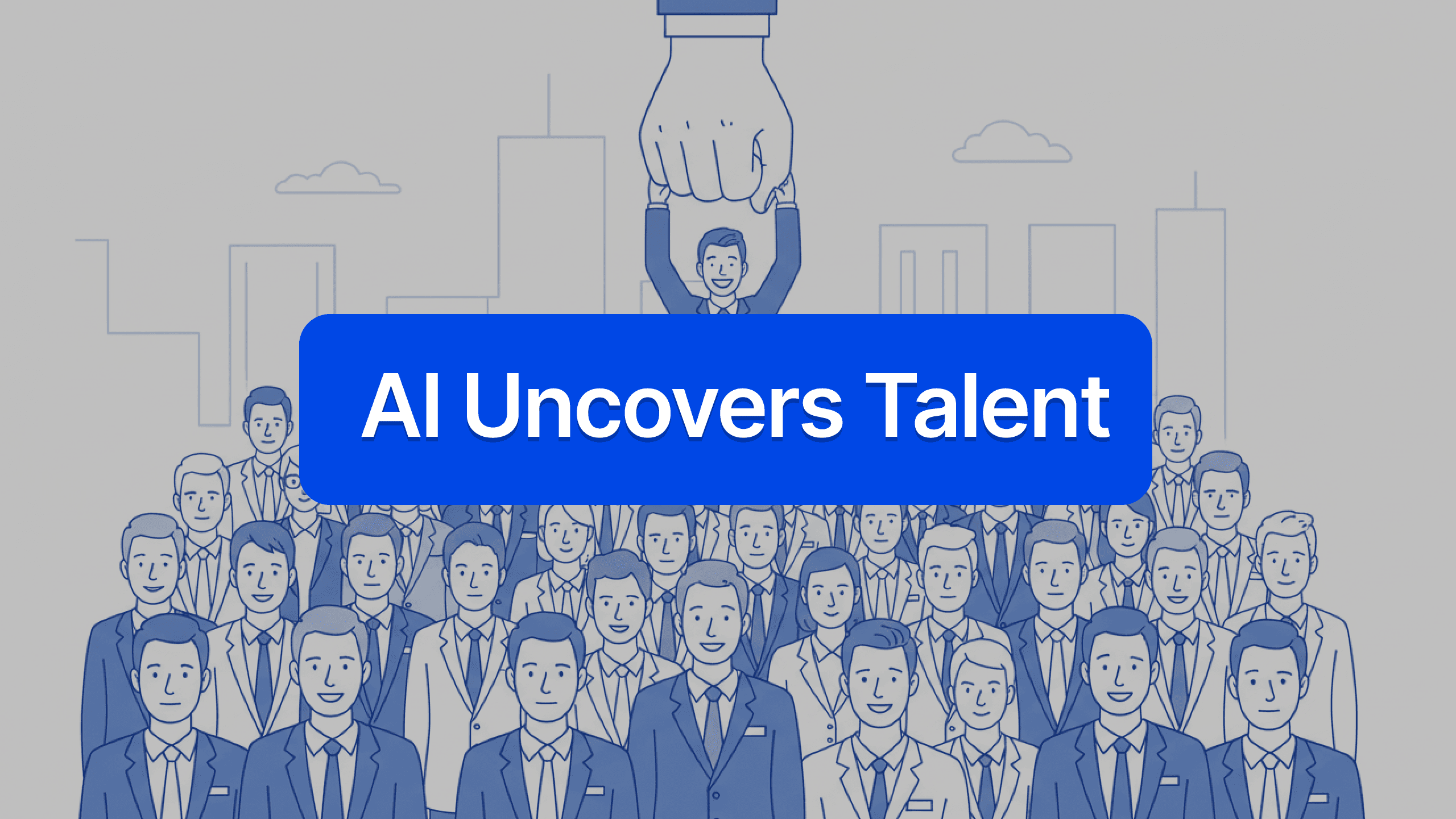
Did you know that most great candidates aren’t even looking for a job? In fact, around 70% of professionals are considered hidden talent. They already have jobs, rarely apply online, and don’t show up in the usual LinkedIn searches.
That’s the real challenge you face as a recruiter or founder. You know the right people are out there, but they’re just not visible through traditional hiring methods.
This is where AI can change the game. With the right tools, and effective planning you can analyze skills, portfolios, and online activity to find candidates others miss.
In this guide, you’ll learn how to use AI to find hidden talent, and improve your sourcing strategy.
Why AI is the Future of Candidate Discovery?
Recruiting the right talent is getting harder every day. AI is changing the game by making candidate discovery faster, smarter, and more precise. Let’s explore how:
Speed and Efficiency
You can screen thousands of resumes in minutes with AI. It understands skills and experience beyond simple keywords. AI also handles repetitive tasks like scheduling interviews and sending follow-ups so you can focus on the best candidates.
Smarter Decisions with Data
AI looks at past and current data to help you find candidates who are likely to succeed. It can spot transferable skills and give insights about talent availability and market trends to guide your hiring decisions.
Fairer and More Inclusive Hiring
AI focuses on skills and qualifications, not personal details. It helps reduce bias, highlights inclusive language in job posts, and brings attention to candidates from diverse backgrounds you might miss otherwise.
Better Candidate Experience
AI gives candidates customized job suggestions and quick responses. It keeps them updated throughout the process. You can even use AI to personalize onboarding so new hires feel welcomed and supported from day one.
Quick comparison: Traditional Recruiting vs AI-Powered Recruiting
Here’s a quick side-by-side look at how AI changes the way you discover and connect with hidden candidates compared to traditional methods:
Feature | Traditional Recruiting | AI-Powered Recruiting |
|---|---|---|
Speed | Manual, slow | Instant, scans thousands of profiles |
Reach | Limited to job boards & referrals | Wide, including niche platforms & social profiles |
Skill Matching | Keyword-based | Context & predictive analytics-based |
Admin Tasks | Manual scheduling & follow-ups | Automated tasks & messaging |
Passive Candidates | Hard to find | AI identifies hidden talent |
Bias | Can be biased | Reduces bias, focuses on skills |
Candidate Experience | Slow, impersonal | Faster, personalized communication |
8 Steps to Find Hidden Candidates with AI Recruiting Tools
Finding top talent today is about more than scanning resumes. Follow these steps to make your recruiting smarter, faster, and more precise:
Step 1: Define Your Ideal Candidate Profile
Start by knowing exactly who you are looking for. Go beyond hard skills and consider attitude, learning ability, and how someone will fit your team.
The clearer your profile, the better AI can find candidates who truly match your needs. This step sets the foundation for all the sourcing work that follows.
Step 2: Choose the Right AI Tools
Once you have a clear candidate profile, select AI tools that fit your workflow. Look for tools that search multiple platforms, infer skills, and predict candidate fit.
The right AI tool like Airwork, makes sourcing faster and easier, letting you spend time connecting with talent instead of juggling repetitive tasks. Your choice of tool directly impacts how efficiently you reach hidden candidates.
Step 3: Go Beyond Traditional Job Boards
With the right tool in place, it’s time to explore where candidates actually are.
Many top performers aren’t actively applying but contribute to niche communities. Like - open-source projects, sites like Toptal and others similar to Fiverr, where skilled freelancers showcase their expertise.
AI works by crawling these platforms, analyzing profiles, contributions, and project activity to identify skills, patterns, and achievements that match your hiring needs.
This means it can highlight candidates who may not be applying anywhere but have proven capabilities and relevant experience. Expanding your search beyond job boards increases your chances of finding unique, high-potential candidates.
Step 4: Use Predictive Analytics
After identifying potential candidates, leverage AI’s predictive analytics. Instead of just looking at past experience, AI can forecast who is likely to succeed and grow in your team.
This allows you to prioritize candidates who may not have the perfect resume but have strong potential. Predictive insights help you focus on future fit rather than only past achievements.
Step 5: Uncover Nontraditional Skills
Some candidates have valuable skills that aren’t obvious on resumes. AI can analyze portfolios, bios, and online activity to spot hidden expertise, like side projects or informal experience.
Tools like Pymetrics use neuroscience-based AI assessments to evaluate cognitive and social-emotional skills that traditional resumes often miss. Similarly, Eightfold.ai maps candidates’ past experiences and skill patterns to identify transferable skills and potential that aren’t explicitly listed.
By recognizing these nontraditional skills, you find candidates who bring unique value and diverse perspectives to your team. This step complements predictive analytics by adding depth to candidate evaluation.
Step 6: Analyze Passive Signals
Many of the best candidates are passive job seekers. AI can detect subtle signals, such as updates to portfolios, certifications, or public contributions, indicating readiness for a new opportunity.
Tracking these signals ensures you reach the right people at the right time. Combined with your evaluation of nontraditional skills, this step uncovers talent others might overlook.
Step 7: Personalize Candidate Outreach
Once you know who to approach, craft messages that feel personal. AI can help you highlight a candidate’s projects or achievements, making your outreach authentic.
Personalization increases engagement and shows candidates that you value their unique work. This step builds on all the prior research, turning insights into meaningful communication.
Step 8: Maintain Human Oversight
Finally, remember that AI is your assistant, not a replacement. Always review AI-flagged candidates to ensure cultural fit, motivation, and fairness.
Combining AI’s efficiency with your human judgment ensures your hiring is ethical, thoughtful, and successful. This step ties the whole process together, creating a seamless AI-human approach to finding hidden candidates.
How Airwork AI Can Help You Find Hidden Candidates
Finding the right candidate is not just about scanning resumes. With Airwork AI, you can discover hidden talent that traditional methods often miss.
It combines sourcing, vetting, and outreach in one platform, so you can focus on candidates who truly fit your needs. Such as:
Search Across Multiple Platforms
Airwork AI searches across multiple sources simultaneously, including professional networks, coding platforms, niche communities, and internal databases.
This broad reach helps you find talented professionals who may not be actively applying but have the right skills and potential for your team.
Predict Future Success
Airwork does more than look at past experience. It studies patterns like project outcomes, learning speed, and career growth to predict who is likely to succeed in your role. This makes your hiring decisions more confident.
Find Hidden Skills
Many candidates don’t list every skill they possess. Airwork AI studies portfolios, bios, and project histories to uncover overlooked capabilities. This allows you to recognize valuable talent that traditional keyword searches would miss.
Automate and Personalize Outreach
Reaching candidates can be time-consuming. Airwork AI automates the outreach process while keeping messages personalized and relevant. You can connect with more people efficiently, improve response rates, and build stronger relationships from the first interaction.
Score and Vet with Confidence
Each candidate receives an intelligent score based on fit, potential, and engagement. This makes it simple to identify top performers quickly, helping you move from discovery to decision with greater speed and accuracy.
Fits Into Your Workflow
Airwork works with your existing tools, including ATS systems. It supports your process without making it more complicated.
Conclusion
So, finding the right talent today isn’t just about posting a job and waiting. The best candidates often hide in places you might never check, and that’s where AI can make a real difference.
By following these 8 steps and using tools like Airwork, you can uncover hidden skills, predict success, personalize your outreach, and make your hiring faster and smarter.
When you combine AI insights with your own judgment, you create a fairer, more efficient, and more human recruitment process. Doing this consistently helps you build stronger teams that can grow with your company.
FAQs
How can AI find candidates beyond LinkedIn?
It searches multiple platforms, including niche communities and internal databases, to find passive talent.
Can AI predict a candidate’s success?
Yes, by analyzing past performance, learning speed, and growth patterns.
How do AI job descriptions improve candidate quality?
AI job description generator tools use data to create clear, inclusive, and skill-focused postings. They attract better-matched candidates by removing bias and highlighting the right qualifications.