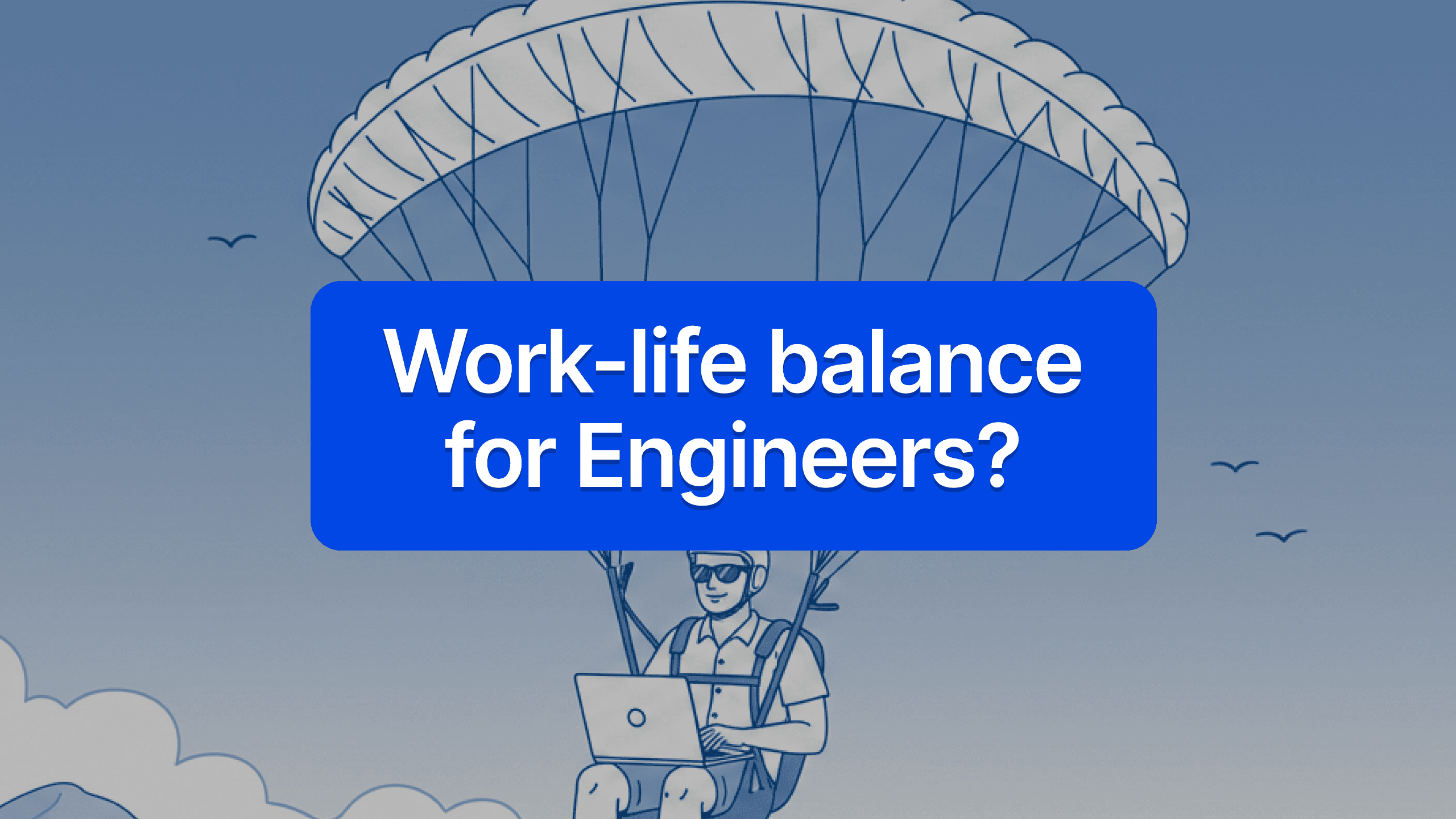
Do Software Engineers Have a Good Work-Life Balance?
If you're thinking about becoming a software engineer, switching careers, or escaping a burnout-heavy job… You want the truth.
You've heard the stories about long hours, late-night coding, constant deadlines, and unpredictable on-call shifts. And you're wondering whether this path actually supports a healthy life outside work.
This guide gives you a clear, honest breakdown of what work-life balance really looks like in software engineering, backed by real patterns, role differences, and insights into company culture.
And if you're searching for roles that protect your time and well-being, Airwork AI helps you find employers who truly value balance.
Do Software Engineers Have Good Work-Life Balance?
Yes, software engineers can have a good work-life balance, but not everywhere and not in every role.
Most engineers work around 40–50 hours a week. Still, the balance depends heavily on company culture, project demands, and whether the role includes on-call duties.
Engineers in structured environments, such as big tech or enterprise IT, often enjoy more predictable schedules. At the same time, generalists in startups or DevOps roles may face more challenging workloads.
With clear boundaries and the right workplace, software engineering can offer one of the most flexible career paths today.
What Work-Life Balance Looks Like in Real Engineering Jobs
Most software engineers enjoy a manageable work-life balance. Still, the reality depends heavily on their role, company culture, and project load.
Many engineers work longer days, stepping in when urgent bugs, tight deadlines, or system outages demand attention. Some roles naturally feel heavier, such as DevOps and SRE teams, which handle on-call alerts and urgent fixes.
At the same time, frontend and QA engineers often have more predictable days.
Remote and hybrid setups give engineers freedom, but they also blur the line between “work time” and “home time.” Many engineers struggle to entirely switch off when Slack, GitHub, and notifications are always a tap away.
There’s also the ongoing pressure to learn. New tools, new frameworks, new updates as learning never stops, and it often spills outside scheduled work hours if companies don’t carve out time for it.
Above all, company culture decides whether balance is possible.
Big tech offers structure and clear schedules.
Startups move fast, sometimes too fast.
Agencies depend on client timelines.
Enterprise IT tends to stay predictable.
Understanding these differences helps job seekers pick roles that fit their lifestyle, energy levels, and family needs, reducing stress and making engineering far more sustainable.
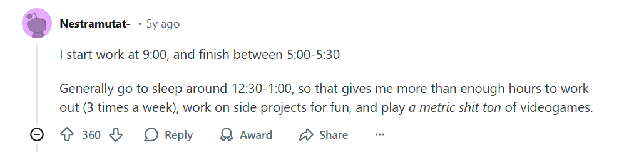
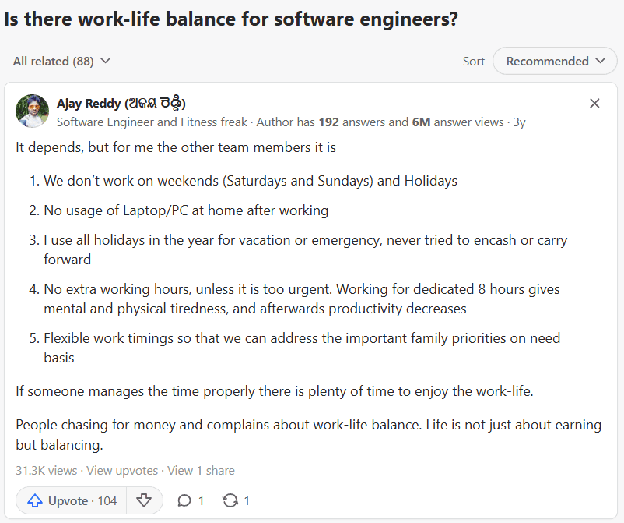
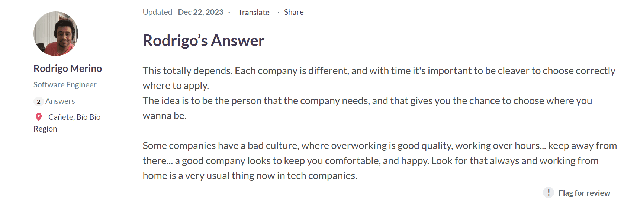
Let’s check what real life software engineers say about it.
From Reddit
From Quora
FromCareer Village
How Job Seekers Can Spot a Healthy Engineering Job (Before Accepting It)
Finding a balanced engineering role starts with knowing what to watch for. Red flags show up quickly:
vague working hours,
an always-urgent culture,
no real documentation,
Constant “expected” on-call duties, and
Deadlines that shift without warning.
These usually signal burnout-heavy environments where structure and boundaries don’t exist.
On the other hand, green flags reveal teams that support real balance—
flexible hours,
async-first communication,
clear sprint cycles,
realistic timelines, and
Benefits that include mental health support or learning time.
These companies treat engineering as sustainable work, not a constant fire drill.
Airwork AI helps you filter for these traits by showing roles with transparent expectations, culture insights, and employers that support balanced engineering teams. So you can choose a job that fits your life, not the other way around.
Actionable Tips for Software Engineers to Protect Their Work-Life Balance
Work-life balance isn’t automatic in engineering; you have to protect it. Start by
setting clear work hours and sticking to them, even when tasks pile up.
Use deep work blocks for focused coding and batch your communication so Slack and email don’t consume your entire day.
Avoid
falling into “hero culture,” where staying late becomes the norm.
If overtime keeps showing up, flag it early.
Keep your learning time separate from your downtime, so skill growth doesn’t become another source of stress.
And always ask for workload clarity; uncertainty leads to overwhelm faster than any coding task.
FAQs
Is software engineering a stressful career?
Software engineering is not a stressful career entirely. It depends on the company culture and role type.
Do software engineers work weekends?
Typically, no. Weekend work only appears when there’s a production issue or deadline crunch.
Which engineering jobs have the best work-life balance?
Roles like QA engineering, frontend development, and internal tools engineering generally offer more predictable schedules.
How can I find companies with good work-life balance?
Platforms like Airwork AI help you identify employers known for balanced engineering roles and transparent expectations.
Yes, Software Engineers Can Have Great Work-Life Balance If They Choose the Right Environment
Software engineers can absolutely maintain a healthy work-life balance. Still, it depends on the role, the team, and the company culture. The right environment offers structure, clear expectations, and the flexibility you need to live well outside of work.
If you’re ready to find engineering jobs that don’t drain your life, discover balanced teams on Airwork AI.